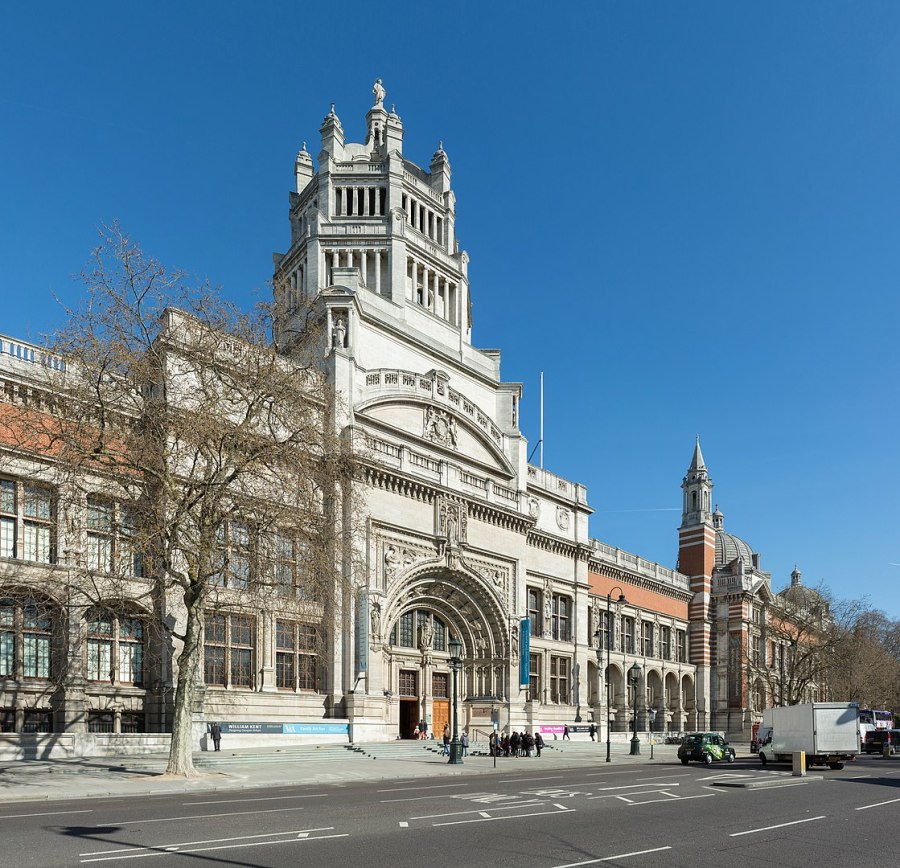
The Victoria and Albert Museum, located in London, is not only a treasure trove of art and design but also holds a rich history within its own walls. The museum, often referred to as the V&A, has a fascinating history that dates back to its inception in 1852. The iconic building that houses the museum today was designed by renowned architect Aston Webb and opened to the public in 1909. Originally named the South Kensington Museum, it was later renamed in honor of Queen Victoria and Prince Albert.
The V&A building has undergone several expansions and renovations over the years to accommodate its growing collection. The museum’s architecture is a stunning example of Victorian and Edwardian design, with intricate details and grand galleries that showcase its exhibits beautifully. Visitors can explore a wide range of collections, including fashion, sculpture, ceramics, and photography, all housed within this historic building.
Commonly Asked Questions:
- When was the Victoria and Albert Museum building constructed?
- Who designed the iconic V&A building?
- What kind of collections can visitors expect to see at the museum?
Today, the Victoria and Albert Museum stands as a testament to the history of art and design, offering visitors a glimpse into the past while inspiring creativity for the future. A visit to this historic building is not only a journey through art and culture but also a step back in time to witness the evolution of one of the world’s most renowned museums. From its humble beginnings to its status as a cultural landmark, the V&A building continues to captivate visitors from around the globe.
By Diliff – Own work, CC BY-SA 3.0, https://commons.wikimedia.org/w/index.php?curid=31813288


 London Country